Popular Posts

Showing posts with label Flowers. Show all posts

How do you make a Cottage Garden


A cottage garden is a charming, informal garden style that is designed to look natural and abundant. Here are some steps to help you create a cottage garden:


Choose the right location: Cottage gardens look best in a sunny location with good drainage.


Plan the layout: Cottage gardens are often designed with winding paths and borders. Think about how you want to use the space and create a plan.


Choose the right plants: Cottage gardens are often filled with a mix of annuals and perennials, with a focus on old-fashioned, heirloom varieties. Choose plants that have a relaxed, informal look, and don't be afraid to mix and match different colors and textures.


Add garden structures: Consider adding arches, trellises, or other garden structures to provide support for climbing plants and add visual interest.


Maintain the garden: Cottage gardens require regular maintenance to keep them looking their best. Make sure to water, fertilize, and weed regularly.


Overall, the key to creating a cottage garden is to embrace a natural, informal aesthetic and to choose plants and materials that enhance this look. With a little planning and effort, you can create a beautiful, charming garden that looks like it's been there for generations.


Building  a cheap greenhouse that is Cute

Building a cheap and cute greenhouse can be a fun and rewarding DIY project. Here are some steps to help you get started:


Choose the right materials: To keep costs down, consider using reclaimed or repurposed materials. For example, you can use old windows, pallets, or even plastic sheeting to create the walls and roof of your greenhouse.


Build the frame: Depending on the size and shape of your greenhouse, you can build the frame out of wood or PVC piping. Make sure the frame is sturdy enough to support the weight of the walls and roof.


Add ventilation: Greenhouses need good ventilation to prevent overheating. You can add vents to the roof or walls of your greenhouse to allow for air flow.


Add shelves and benches: To make the most of your greenhouse space, add shelves and benches for your plants. You can make these out of scrap wood or repurpose old furniture.


Add the finishing touches: To make your greenhouse look cute, add some decorative touches like painted trim, hanging baskets or a cute picket fence.


Building a greenhouse on a budget is all about being creative and resourceful. With a little bit of effort, you can create a beautiful and functional space for your plants to thrive.


What is a Potager garden 

A potager garden is a French-style kitchen garden that combines vegetables, herbs, and flowers in a beautiful and functional design. Here are some steps to help you build your own potager garden:


Design the layout: Potager gardens are often designed in a geometric pattern with symmetrical beds and paths. Sketch out your design on paper before starting.


Choose the right plants: Potager gardens typically include a mix of vegetables, herbs, and flowers. Choose plants that are both beautiful and edible.


Build the raised beds: Raised beds are a popular choice for potager gardens, as they provide good drainage and make it easy to control the soil quality. You can build raised beds out of wood or stone.


Add paths: Paths are an important element in potager gardens, as they allow easy access to the beds. You can create paths using materials like gravel, mulch, or stepping stones.


Add trellises and supports: Many plants in a potager garden, such as tomatoes and peas, need support to grow properly. You can add trellises and supports using materials like bamboo or wire.


Add decorative elements: To make your potager garden more visually appealing, consider adding decorative elements like garden art, sculptures, or a fountain.


Building a potager garden is all about creating a beautiful and functional space that's both practical and aesthetically pleasing. With a little bit of planning and effort, you can create a garden that's not only productive but also a joy to spend time in.


Trees and Bushes that Flower from Spring through Fall

Adding interest to your garden by choosing trees and shrubs that flower just makes sense.   If you know your zone and have space for vertical interest here are a few choices that will provide an impact in your garden.  


Cherry Blossom Trees also come in
Weeping Varieties
Popular spring flowering shrubs and trees


Cherry Blossom Tree - These trees produce beautiful pink or white blossoms in early spring and are popular in many parts of the world, particularly in Japan.


Dogwood Tree - Dogwood trees are known for their showy white or pink flowers that bloom in early spring. They are also popular for their colorful foliage in the fall.


Forsythia - This shrub produces bright yellow flowers that bloom in early spring, often before the leaves appear.


Lilacs come in many colors
Lilac - Lilacs are known for their fragrant, delicate blooms that come in shades of purple, pink, and white. They typically bloom in mid to late spring.


Magnolia - Magnolias produce large, showy flowers in shades of pink, purple, or white. They typically bloom in early spring before the leaves appear.


Rhododendron - Rhododendrons are popular shrubs that produce clusters of brightly colored flowers in shades of pink, purple, red, or white. They typically bloom in mid to late spring.

Azalea - Azaleas are similar to rhododendrons and produce brightly colored flowers in shades of pink, red, purple, or white. They typically bloom in late spring.


Spirea - Spirea is a deciduous shrub that produces clusters of white, pink, or red flowers in late spring or early summer.


These are just a few examples of the many beautiful spring-flowering shrubs and trees that you can choose from to add color and beauty to your garden or landscape.


Here are some popular summer-flowering trees and shrubs


Crepe Myrtle
Crape Myrtle - Crape Myrtles are small to medium-sized trees with beautiful, delicate blooms that come in shades of pink, red, purple, and white. They typically bloom in mid to late summer and can add a tropical feel to any landscape.


Hydrangea - Hydrangeas are popular shrubs that produce large, showy flower clusters in shades of pink, blue, or white. They typically bloom from late spring through summer, with some varieties blooming into the fall.


Hydrangeas white, pink and blue

Butterfly Bush - As the name suggests, Butterfly Bushes are known for attracting butterflies with their fragrant, cone-shaped flowers. They come in a range of colors, from white and pink to purple and blue, and typically bloom from mid-summer to fall.


Rose of Sharon - Rose of Sharon is a deciduous shrub that produces large, trumpet-shaped flowers in shades of pink, purple, blue, and white. They typically bloom from mid-summer to early fall.


Hibiscus come in all colors
Hibiscus - Hibiscus plants produce large, showy flowers in shades of pink, red, orange, yellow, and white. They typically bloom in mid-summer and can be grown as shrubs or small trees.


Weigela - Weigela is a deciduous shrub that produces trumpet-shaped flowers in shades of pink, red, or white. They typically bloom in late spring through early summer.


Abelia - Abelia is a small, evergreen shrub that produces fragrant, trumpet-shaped flowers in shades of pink, white, or lavender. They typically bloom from mid-summer to fall.


These are just a few examples of the many beautiful summer-flowering trees and shrubs that you can choose from to add color and interest to your landscape.


Evergreen shrubs that flower

While many evergreen shrubs are known for their foliage, some varieties also produce beautiful blooms. Here are some evergreen shrubs that flower:


Camellia - Camellias are evergreen shrubs that produce large, showy flowers in shades of pink, red, and white. They typically bloom from late fall through early spring.


Rhododendron is a beautiful Evergreen

Rhododendrons are popular evergreen shrubs that produce clusters of brightly colored flowers in shades of pink, purple, red, or white. They typically bloom in mid to late spring.


Daphne - Daphne is an evergreen shrub that produces fragrant flowers in shades of pink, white, or lavender. They typically bloom in late winter to early spring.


Azalea - Azaleas are similar to rhododendrons and produce brightly colored flowers in shades of pink, red, purple, or white. They typically bloom in late spring.


Gardenia - Gardenias are evergreen shrubs that produce highly fragrant white or yellow flowers. They typically bloom from mid-spring to mid-summer.


Viburnum - Viburnums are a diverse group of evergreen shrubs that produce clusters of white, pink, or red flowers in spring or summer.


Lily-of-the-Valley Shrub - The Lily-of-the-Valley Shrub, also known as Pieris, is an evergreen shrub that produces drooping clusters of white or pink flowers in early spring.


These are just a few examples of the many beautiful evergreen shrubs that produce flowers. When selecting evergreen shrubs for your garden or landscape, consider the bloom time and color to ensure a variety of flowers throughout the year.


Easy to Grow Cottage Flowers - Great List of Flowers that Re-Seed


There are many beautiful and easy-to-grow cottage flowers that can add charm and color to any garden. Here are some suggestions:


  • Cosmos - These daisy-like flowers come in a variety of colors and are very easy to grow from seed. They can tolerate a wide range of soil and weather conditions.
  • Sunflowers - These cheerful and towering plants are very easy to grow from seed and require minimal care. They come in a variety of sizes and colors.
  • Sweet peas - These delicate and fragrant flowers are perfect for adding a pop of color and sweet scent to any garden. They can be grown from seed or purchased as young plants.
  • Poppies - These colorful and iconic flowers are easy to grow from seed and come in a variety of colors and sizes. They thrive in full sun and well-drained soil.
  • Nasturtiums - These bright and bold flowers are not only easy to grow, but also edible. They can be planted in both sun and shade and come in a variety of colors.
  • Zinnias - These vibrant and long-lasting flowers come in a wide range of colors and sizes. They can be grown from seed or purchased as young plants and require little maintenance.
  • Marigolds - These hardy and low-maintenance flowers are perfect for adding a splash of bright color to any garden. They can be grown from seed or purchased as young plants.
  • Lavender - This fragrant and versatile plant can be grown as a shrub or in pots. It requires little maintenance and is perfect for attracting bees and butterflies to your garden.


These are just a few examples of easy-to-grow cottage flowers. There are many other options available depending on your climate and personal preferences.


Cottage flowers that do well as Cut Flowers

If you're looking for cottage flowers that can also be cut and used as fresh flowers in bouquets, here are some great options:


  • Dahlias - These colorful flowers come in a variety of shapes and sizes and make stunning cut flowers. They can be grown from bulbs or purchased as young plants.
  • Peonies - These large and fragrant flowers are a classic choice for cut flower arrangements. They come in a range of colors and bloom in late spring to early summer.
  • Sweet peas - These delicate and sweet-smelling flowers are perfect for adding a pop of color and fragrance to bouquets. They can be grown from seed or purchased as young plants.
  • Sunflowers - These cheerful and towering flowers are not only easy to grow, but also make great cut flowers. They come in a variety of sizes and colors.
  • Larkspur - These tall and spiky flowers are perfect for adding height and texture to arrangements. They come in a range of colors and bloom in mid to late summer.
  • Cosmos - These daisy-like flowers are not only easy to grow, but also make great cut flowers. They come in a range of colors and bloom throughout the summer.
  • Zinnias - These vibrant and long-lasting flowers are perfect for adding bold color to bouquets. They come in a wide range of colors and sizes and can be grown from seed or purchased as young plants.
  • Lavender - These fragrant flowers are not only beautiful, but also make great additions to dried flower arrangements. They can be grown as a shrub or in pots and bloom in mid to late summer.


Rudbeckia Black Eyed Susan

Cottage Flowers that Reseed 

If you're looking for cottage flowers that will self-seed and come back year after year, here are some great options:


  • Nigella (Love-in-a-Mist) - These delicate and unique flowers have feathery foliage and produce beautiful blue or white blooms. They are easy to grow from seed and will readily self-seed.
  • Poppies - Poppies are iconic cottage garden flowers that can self-seed and come back year after year. They come in a variety of colors and sizes, from the classic red poppy to soft pink and white varieties.
  • Bachelor Buttons
    Centaurea cyanus (Bachelor Buttons) - These 2-3 foot tall blue flowers often called cornflowers will sprout up en mass year after year.
      
  • Verbena bonariensis - These tall and airy flowers produce clusters of tiny purple blooms that are a favorite of butterflies and bees. They readily self-seed and will come back year after year.
  • Echinacea (Coneflower) - These striking flowers are known for their colorful petals and distinctive cone-shaped centers. They are easy to grow from seed and will self-seed if left to go to seed.
  • Rudbeckia (Black-eyed Susan) - These cheerful and easy-to-grow flowers are a classic cottage garden favorite. They have bright yellow petals and dark centers and readily self-seed.

    • Calendula (Pot Marigold) - These bright and cheerful flowers are easy to grow from seed and will readily self-seed. They come in a range of colors, from bright orange to soft yellow and cream
    • Aquilegia (Columbine)- These pretty and delicate flowers come in a variety of colors and bloom in early to mid summer.  They readily self seed and will come back year after year.


    Cottage flowers that are perennial

    Perennial flowers are great options for cottage gardens because they come back year after year and require less maintenance than annual flowers. Here are some great options for perennial cottage flowers:


    • Lupines - These tall and striking flowers have spiky blooms in shades of blue, purple, pink, and white. They thrive in cooler climates and can be grown from seed or purchased as young plants.
    • Peonies - These large and fragrant flowers are a classic choice for cottage gardens. They come in a range of colors and bloom in late spring to early summer.
    • Delphiniums - These tall and stately flowers have spiky blooms in shades of blue, purple, pink, and white. They require full sun and well-drained soil.
    • Coreopsis - These cheerful and easy-to-grow flowers have daisy-like blooms in shades of yellow, pink, and red. They bloom throughout the summer and are drought-tolerant.
    • Salvia - These colorful and long-lasting flowers have spiky blooms in shades of blue, purple, pink, and red. They are drought-tolerant and attract bees and butterflies to the garden.
    • Irises - These elegant and easy-to-grow flowers have large, showy blooms in shades of blue, purple, yellow, and white. They require full sun and well-drained soil.
    • Roses -  Roses of all kinds and colors are perennial backbones of gardens.  Try climbers, shrub and fragrant roses.  They require full sun. 
    • Catmint - These fragrant and easy-to-grow plants have clusters of lavender-blue flowers that bloom in early summer. They are drought-tolerant and attract bees and butterflies to the garden.


    In Praise of Sunflowers - How to Grow, Display and Feed the Local Birds

    Sunflowers are a beautiful and popular plant that can brighten up any garden. Here are some steps to follow to grow sunflowers:


    Choose the right location: Sunflowers need a lot of sunlight, so choose a spot in your garden that receives at least six to eight hours of direct sunlight a day. Sunflowers also prefer well-draining soil, so make sure the soil in your chosen location is not waterlogged.


    Prepare the soil: Sunflowers prefer a neutral pH soil of around 6.0 to 7.5. Amend the soil with organic matter, like compost or well-rotted manure, to improve its texture and fertility. You can also add a slow-release fertilizer to the soil at planting time.


    Plant the seeds: Sunflower seeds should be planted directly into the soil after the last frost in your area. Make a hole about 1-2 inches deep and plant the seeds about 6 inches apart. Cover the seeds with soil and water them well.


    Water the plants: Sunflowers need regular watering, especially during dry spells. Water the plants deeply once a week, making sure the soil is moist but not waterlogged.


    Support the plants: Sunflowers can grow quite tall and heavy, so they may need support to keep them from falling over. You can stake the plants or use a trellis or cage to support them as they grow.


    Harvest the seeds: When the sunflower heads turn brown and the back of the flower begins to dry out, it's time to harvest the seeds. Cut off the heads with about 12 inches of stem attached and hang them upside down in a dry, well-ventilated area to dry out. Once the seeds are completely dry, you can remove them from the flower head and store them in an airtight container.


    Following these steps can help you grow healthy and beautiful sunflowers in your garden.


    When do you Cut Sunflowers for display in a vase

    Sunflowers are a beautiful and cheerful addition to any vase or flower arrangement. Here's when to cut sunflowers for display in a vase:


    Choose the right time: Sunflowers should be cut when they are fully mature and have reached their peak bloom. The best time to cut sunflowers for display in a vase is early in the morning or late in the evening when the flowers are cooler and have more water in them.


    Look for signs of maturity: Mature sunflowers will have fully opened petals and the center of the flower will be dark brown or black. The back of the flower head will also be turning yellow or brown.


    Cut the stem: Use a sharp pair of scissors or garden shears to cut the sunflower stem at a 45-degree angle. Cut the stem just above a leaf node to encourage new growth.


    Remove leaves: Remove any leaves that will be below the water level in the vase to prevent them from rotting and causing bacteria to grow.


    Place in water: Immediately after cutting the sunflowers, place them in a vase of fresh water. Change the water every 1-2 days and re-cut the stems at a 45-degree angle to help them last longer.


    By following these tips, you can enjoy the beauty of sunflowers in a vase for several days.


    What are the different varieties of Sunflower

    There are many different varieties of sunflowers, with varying colors, sizes, and shapes. Here are some of the most popular types of sunflowers:

    • Dwarf sunflowers: These sunflowers are smaller in size, usually growing to be about 1-2 feet tall. They come in a variety of colors, including yellow, orange, and red.
    • Giant sunflowers: These sunflowers can grow up to 15 feet tall, with flower heads that can be up to 2 feet in diameter. They are typically yellow with dark centers.
    • Teddy bear sunflowers: These sunflowers are a dwarf variety that grows to be about 2 feet tall. They have fluffy, round flower heads that are usually yellow or gold in color.
    • Red sunflowers: These sunflowers have deep red petals with a dark center. They can grow up to 6 feet tall.
    • Chocolate sunflowers: These sunflowers have dark brown or chocolate-colored petals with a dark center. They are typically 4-6 feet tall.
    • Lemon queen sunflowers: These sunflowers have light yellow petals with a dark center. They can grow up to 6 feet tall.
    • Autumn beauty sunflowers: These sunflowers have a mix of warm colors, including yellow, red, and orange. They can grow up to 6 feet tall.
    • Italian white sunflowers: These sunflowers have creamy white petals with a dark center. They can grow up to 6 feet tall.


    These are just a few of the many varieties of sunflowers available. Each variety has its own unique characteristics, making it easy to find one that will suit your garden or landscaping needs.


    What zone do sunflowers grow best in

    Sunflowers are a warm-weather plant that thrives in sunny and warm climates. They are relatively easy to grow and can do well in a wide range of hardiness zones. However, the specific zone that sunflowers grow best in may depend on the variety of sunflower being grown.


    Generally, sunflowers grow best in USDA hardiness zones 1-10, which covers most regions of the United States. However, some varieties may have specific zone preferences. For example, some sunflowers, such as the Maximilian sunflower, are more cold-tolerant and can grow well in colder regions, including zone 3.


    The key factors for growing healthy sunflowers are warm temperatures, full sunlight, and well-drained soil. As long as these conditions are met, sunflowers can thrive in a variety of zones 


    Sunflowers, Bees and Birds


    Sunflowers are attractive to both bees and birds, making them a popular choice for gardeners looking to attract pollinators and wildlife to their gardens.


    Bees are attracted to sunflowers because of the abundant nectar and pollen produced by the flowers. As bees land on the sunflower heads to collect nectar and pollen, they inadvertently pollinate the flowers, helping them to produce seeds. This makes sunflowers an important source of food for bees and other pollinators.


    In addition to attracting bees, sunflowers are also popular with birds, particularly finches. Once the sunflower heads have finished blooming and the seeds have matured, birds will feast on the seeds, helping to spread the sunflower seeds around the garden.


    To attract bees and birds to your sunflowers, it's important to plant them in an area that receives full sunlight and has well-draining soil. You may also want to consider planting a mix of sunflower varieties to provide a variety of colors, shapes, and sizes to attract a wider range of pollinators and birds. Finally, it's important to leave the sunflower heads in place after they have finished blooming to provide food for birds and to allow the seeds to mature and be dispersed.


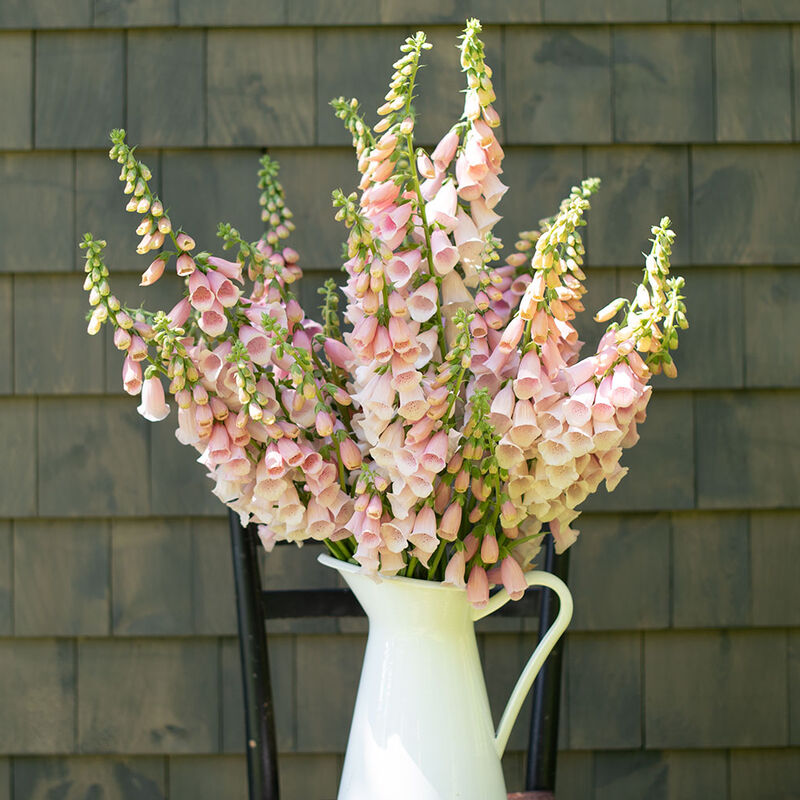
    How to Grow Foxglove and Care for it as a Cut Flower


    Foxgloves (Digitalis purpurea) are a popular biennial plant that can be grown in gardens for their striking, bell-shaped flowers. Here are some tips for growing foxgloves and caring for them as a cut flower:


    Planting: Foxgloves prefer well-drained soil that is rich in organic matter. They grow best in partial shade, but can tolerate full sun in cooler climates. Sow the seeds in the fall or early spring, and plant them about 18 inches apart.


    Watering: Foxgloves need regular watering, especially during hot and dry weather. Water deeply once or twice a week, and avoid getting the foliage wet to prevent fungal diseases.


    Fertilizing: Apply a balanced fertilizer in the spring, and again in mid-summer to promote healthy growth and flowering.


    Pruning: Deadhead spent flowers regularly to encourage more blooms. Cut the flower stem at the base of the plant when the flowers are fully open.   Many Foxglove and all heirloom Foxgloves will make millions of seeds and readily reseed themselves in your garden so deadhead to prevent seedlings.


    Harvesting: Cut foxglove flowers in the morning, just after the dew has dried. Choose flowers that are fully open but not yet wilted. Cut the stem at an angle and place it immediately in a bucket of water.  Foxglove should be harvested when 1/3 of the flowers on the spike are open. The rest of the florets will open in the vase. They tend to last about 5-7 days in an arrangement. 


    Arranging: Remove any leaves that will be below the water line in the vase. Foxgloves can be arranged on their own or mixed with other flowers. They look great in tall, narrow vases.


    Care: Change the water in the vase every two days, and trim the stems at an angle each time. Keep the vase away from direct sunlight and drafts.


    Note: Foxgloves are toxic if ingested, so keep them away from children and pets. Wear gloves when handling them to avoid skin irritation.


    Colors and Hardiness Zone


    Foxgloves come in a variety of colors and there are also species of foxgloves that are available. Here are some examples:


    Digitalis purpurea: The common foxglove comes in shades of pink, purple, and white.


    Digitalis grandiflora: This species of foxglove produces yellow flowers and grows up to three feet tall.


    Digitalis parviflora: This species of foxglove is native to Europe and produces small, yellow flowers.


    Digitalis lutea: This species of foxglove produces creamy yellow flowers and can grow up to four feet tall.


    Digitalis ferruginea: This species of foxglove produces rusty orange flowers and can grow up to five feet tall.


    Foxgloves are hardy in USDA zones 4 to 8, although some species may be more or less tolerant of certain conditions. In general, they prefer cool temperatures and moist, well-draining soil. In hotter climates, they may benefit from partial shade or protection from the hot afternoon sun.


    12 Flowers You Didn't Know Heal The Body


    Flowers are not only beautiful, but they can be used as essential ingredients in a food and medicine. Many edible flowers are rich in phenolics and have excellent antioxidant capacity. They can be added to your food or in teas to prevent chronic disease.


    Flower Remedies are very simple, since they are almost tasteless, they can be taken along with any food, in the drinking water, or directly in the mouth. In addition, the dosage is standard for almost all animal species, regardless of size, age, or states of health.

    Flowers do not oppose traditional drugs, since their action impacts on a different plane. This allows the health practitioners to not necessarily make drastic therapeutic choices (Flower Remedies vs. drugs); rather, they combine very well with traditional treatments since they help the people and animals to better overcome stress situations and to be an active part in the healing process.
    1) Jasmine: The scent of jasmine promotes a sense of well-being and calm. As a fragrant flower, it is usually blended with green tea and added to salads. It is said to have anti-carcinogenic and anti-viral properties. The health benefits of jasmine tea include a reduced risk of heart attacks, a stronger immune system, and the prevention of diabetes.

    2) Rose: The king of flowers has a special place in Chinese medicine. They are said to contain phenolics, which are believed to have anti-inflammatory properties. Said to be a rich source of vitamins, it is believed to reduce the risk of heart diseases, cancers and diabetes. Red roses enhance the energy in our body and make us more active by stimulating adrenal glands, the indigo of an iris makes us more confident and tranquil by removing fear or inhibition.
    3) Peony: The lovely peony does not just decorate wedding corsages, but when eaten can also alleviate you from depression. Peony is one of the oldest flowers, with 4000 thousands years of history. Peony has strong sedative, calming and anti-convulsive properties. It is often used for neurological disorders, strained nervous conditions or nightmares, and high blood pressure. Peony contains an antibacterial compound, paeonol, which makes it a valuable anti-inflammation and anti-fungal ingredient for treating wounds, skin irritations and inflammations.

    4) California Poppy: 
    Don’t worry when using California Poppies since they are not addictive and do not have any opium in the plant. However, it can be used to help reduce anxiety and insomnia, as well as bladder problems in children and adults. California Poppies can be used along with other natural sources over a longer period of time to help with depression and fatigue.

    5) Pansies: 
    These bright coloured big flowers not only makes pretty picture, but is beneficial for your heart, kidney, blood pressure among others as it's high on potassium and other minerals. Ointments and skin creams made with pansy as an ingredient have anti-bacterial and anti-fungal properties. Pansy is therefore used to treat skin ailments such as psoriasis, acne, eczema, itching, impetigo, and cradle cap. Drinking pansy tea or using it as a poultice on the skin can is effective as well. 

    6) Hibiscus: Often used as garnish in salads, hibiscus or shoe flower are also brewed as tea. Known to contain anthocyanins and antioxidants, they are also said to lower blood pressure and cholesterol levels. Hibiscus leaf is a rich source of polyphenols which are thought to have hypolipidemic (lipid-lowering) and antioxidant effects. A study conducted in Portugalfound that drinks containing hibiscus exhibited higher antioxidant activity than other beverages. Hibiscus leaf polyphenols (HLP) are also afunctional food against cancer.

    7) Lotus: Lotus flowers are popular in both Eastern and Western cultures for their effectiveness against fever, diarrhea and also more serious illnesses such as cholera and bronchitis. A syrup made from the flower provides much relief for bad coughs.
    8) Marigolds: Popularly known as genda phool in India, the Chinese are known to use marigolds in tea. The flower is also used topically to heal wounds. The flower is also said to be high on the pigment lutein, also known as eye vitamin, which is necessary to keep eye diseases at bay.

    9) Chrysanthemum: High in anti-oxidants and minerals, chrysanthemums have anti-carcinogenic and anti-inflammatory properties. Chemicals extracted from chrysanthemum flowers can reduce inflammation. Chrysanthemum extracts have been found to help treat bone disorders like osteoporosis.

    10) Passionflower: Passionflower contains medical properties best suited for treating disorders such as insomnia, agitation, anxiety, and epilepsy. It also acts on the nerves to reduce pain and induce a calming sensation.

    11) Blood Root: 
    This little white flower is very effective in low doses when treating respiratory problems. It can be made into a paste when mixed with other compounds and applied on the skin to treat rashes, warts and various dermic problems. When ingested as a tea or tonic, bloodroot is very effective in cleansing the blood and lowering fevers.

    12) Bellis Perennis: Also known as the common daisy, this flower holds a wealth of medicinal properties despite its unassuming appearance. When used in an infusion, it acts as a laxative as well as an expectorant to purge the body of toxic matter. It is also used as a home remedy to help treat physical disorders such as arthritis and rheumatism. Direct application to the skin through an ointment or poultice aids in healing wounds.

    Sources: 
    flowersociety.org 
    organicfacts.net 
    proflowers.com

    This first appeared in Prevent Disease


    Favorite Bee Friendly Old Fashion Flowers that ReSow

    Everyone loves beautiful old flowers that self sow.  In a meadow or in the wild parts of your garden they look abundant, are very little work and provide much needed food for pollinators.


    Our Favorites...


    1) Foxglove  - Digitalis

    This self sower is a short-lived perennial that generally flowers the season after it’s planted. Leave the spent flower spires in place, and you’ll be treated to a new crop of foxgloves each spring.  They like partial shade.  
    Blue Bachelor Buttons and sweet pea self sow

    2) Bachelor Button - Centaurea cyanus, annual

    Common name cornflower, is an annual that self sows so seems like a perennial.  The flowers are  long lasting when cut and hold color when dried. Likes full sun.  

    3) Bellflower - Campanula spp.

    This dainty plant, available in annual, perennial and biennial cultivars, enjoys moist soil and thrives in full sun to partial shade. In late spring and early summer, it unveils bell-shaped flowers in colors ranging from blue to purple to white. Some varieties, like the Serbian bellflower, have long-lasting blooms and evergreen foliage in Zones 8 and 9.

    4) Bleeding Heart - Dicentra spectabilis, Zones 3 to 9

    Long-lasting blossoms open in late spring, covering this plant with gorgeous floral pendants in shades of rose pink and creamy white. Bleeding heart goes dormant by midsummer, so it’s best planted at the back of a border, where later-blooming flowers can camouflage the dying foliage.

    5) Dianthus - Dianthus, Zones 3 to 10

    One of the world’s oldest cultivated flowers, dianthus is prized for its ruffled petals, pleasant scent and generous spring and summer blooming period. Ranging from just 4 inches to 36 inches high, dianthus grows well in full sun.  Old tall heritage versions common name Sweet William, will resow for years.  

    6) English Primrose Primula vulgaris, Zones 4 to 8

    In spring, tight clusters of colorful, often fragrant blossoms appear on compact bright-green plants that grow only about 8 inches high. Though this primrose does best in partial shade, it can tolerate full sun if the surrounding soil remains moist.

    Hollyhocks come in all sizes and colors and
    most will reseed without any help at all

    7)  Hollyhock Alcea rosea, Zones 3 to 9

    These old-time favorites unfurl richly colored  single or double flowers on lanky stems that can reach 8 feet in height. Hollyhock is a biennial, which means it grows foliage on short stems its first year but doesn’t flower until the following year. Be sure to plan accordingly.

    8) Peony Paeonia, Zones 3 to 9

    Gardeners can choose from hundreds of peony hybrids in a wide range of sizes and colors. The herbaceous peony dies back to the ground in fall, then re-emerges in spring. It benefits from stakes or rings to keep it from flopping over under the weight of its showy, delightfully fragrant blooms.

    9) Sweet Pea Lathyrus odoratus, annual

    This fragrant flower is easy to grow and provides flowers for cutting all season long. Like edible peas, sweet pea prefers the cooler weather of spring and early summer, gradually declining in the heat of August. A few cultivars, including the Royal and Old Spice mixes, are exceptionally heat-tolerant.


    10) Sunflowers  - annual

    This beautiful tall stalk has many varieties that will self sow year after year.  The varieties also flower at different times so know your flower.  To ensure blooms collect the seeds at the end of the year and re broadcast by hand in the spring.

    Plant many varieties of Sunflowers to ensure
    different sizes, colors and bloom times


    Follow Castle Gardener - Sustainable gardening by a farm girl with painted nails